BIM trainer: role, skills, and how to choose one
The BIM trainer transfers their knowledge to strengthen team skills and facilitate the sustainable adoption of collaborative methods.
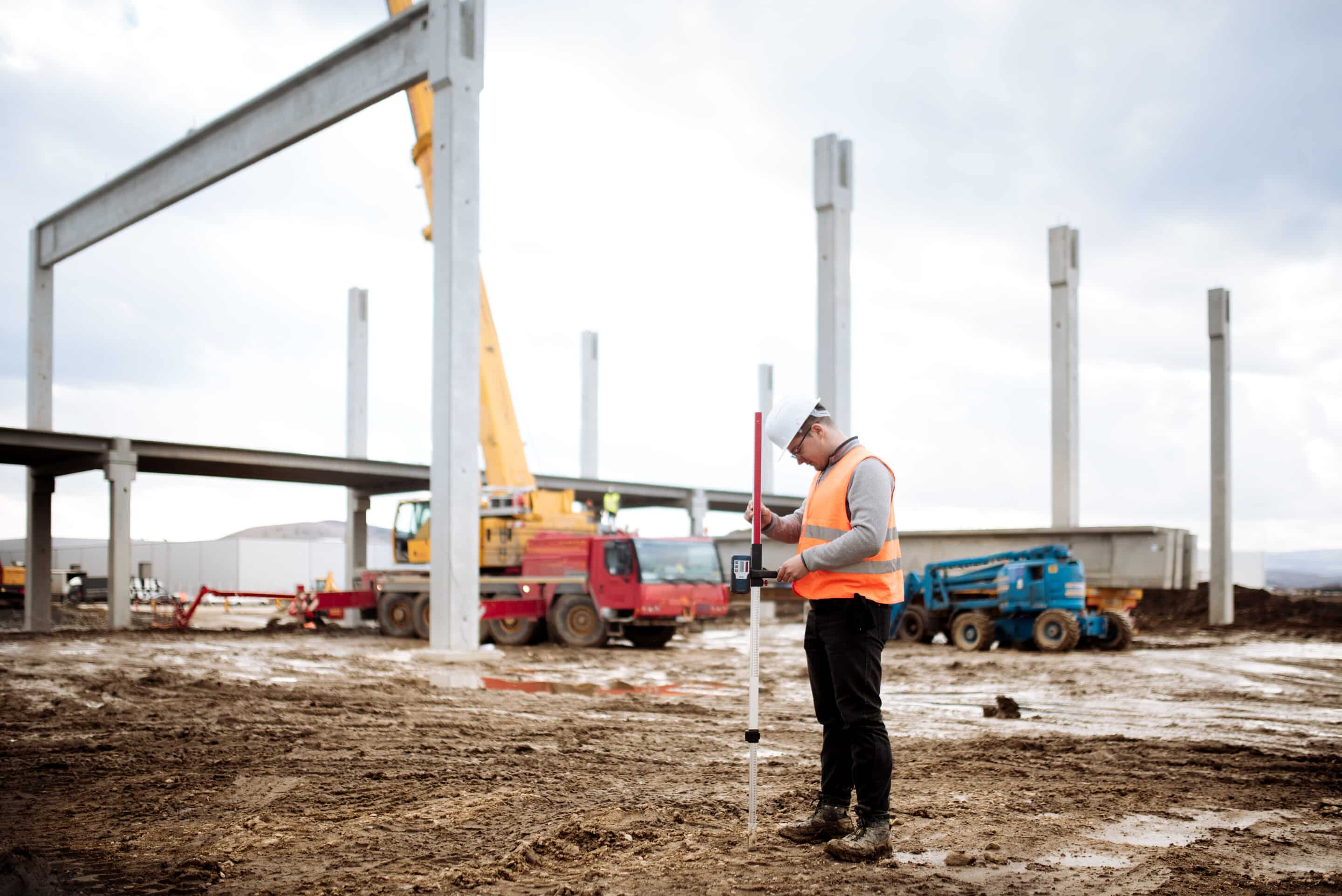
Want to improve your mastery of BIM software and integrate these concepts into your work processes? Typically a former manager or coordinator, a BIM trainer will be a great help. Role, key skills, training, salary and selection criteria: here is the essentials of the profession.
What is a BIM trainer?
The BIM trainer is above all an expert in Building Information Modeling methods. Typically a former manager or BIM coordinator, they master the full range of processes and tools to put in place an effective BIM strategy.
- Software trainer: focuses on mastering BIM-related software such as Revit, ArchiCAD or Navisworks, with a more technical approach.
- BIM process trainer: goes further and teaches collaboration protocols, data management methods and all the processes related to BIM principles.
They transfer their knowledge to future BIM experts (in schools and training centers) or to teams who want to upskill (within companies), on specific points (coordination, software, etc.) or on the complete process.
At a school or training center, they are typically an employee of the institution. They can also work directly with companies seeking to implement BIM methods.
Why call on a BIM trainer?
For project owners, architects, engineering offices and construction companies, mastering BIM has become a necessity:
- Upskill your teamsMastering BIM tools and processes optimizes building design and gives better control of costs and deadlines.
- Adapt practices to collaborative workModeling conflicts, stakeholder access rights, data sharing; the trainer helps you take on these challenges.
- Accelerate BIM integrationWhen teams hit blockers, their experience helps identify the main challenges.
Key skills of a BIM trainer
A good BIM trainer combines solid technical expertise with real teaching skills:
- Mastery of BIM softwareRevit and ArchiCAD, the foundational modeling tools on which they must be certified, and Navisworks to detect modeling conflicts; Tekla Structures or Vectorworks are a valuable addition.
- Knowledge of standards and protocolsThe ISO 19650 standard, the international reference for BIM, as well as other national and international standards.
- Hands-on experienceSeveral years managing BIM projects, leveraged to teach pragmatic solutions based on concrete cases.
- Teaching abilityAdapting content to each client's needs (BIM experience, size and scope of projects, software used).
How to become a BIM trainer?
To become a BIM trainer, you must first become a Building Information Modeling expert.
The royal road is the magistère program at an engineering or architecture school, but other paths are possible: you can start as a BIM drafter and climb every rung up to the BIM manager position.
The École Nationale des Ponts et Chaussées and ESTP Paris, for example, include a specialized BIM master's, as do engineering schools such as Builders. Short training programs are also available from the École Française or other professional training organizations.

Teaching skills and certifications to obtain
A BIM trainer should be certified on modeling software (Autodesk Revit Professional, ArchiCAD Certified User, Navisworks Certified User) and on data exchange standards (ISO 19650, buildingSMART Professional). The BIM Manager Certification attests to their knowledge of design modes and of the building lifecycle. The Adult Trainer Professional Certification validates the fundamentals of adult education.
Discover
Discover the Kroqi platform.
Start your free trial or request a personalized demo.
How to choose a BIM trainer
Before calling on a BIM trainer, check several points:
- References and experienceTeaching and professional background, projects delivered, years spent training.
- Your teams' levelBeginner, intermediate or advanced, to benefit from instruction adapted to your level.
- Teaching approachEffective resources, attractive course materials and a good balance between theory and practice.
- Reviews from former traineesOn independent platforms or the trainer's website, after checking their authenticity.
How much does a BIM trainer earn?
It is difficult to give an average salary. A freelance BIM trainer charges a higher hourly rate than their training-center equivalent, but their income isn't guaranteed and can vary from month to month.
Knowing that a BIM coordinator earns around €40,000 at the start of their career, a BIM trainer can be expected to earn more, given their level of expertise and experience.
Criteria that influence the salary
- Experience and expertise: a trainer who masters the entire BIM chain earns more than one specialized only on Revit Architecture.
- Type of organization: a freelancer can charge over €1,000 for a training day, while employees of training organizations earn between €35,000 and €55,000 per year.
- Network: a recognized trainer with an extensive professional network will always have more clients, provided they are skilled.
Your questions about the BIM trainer role
What's the ideal duration for BIM training?
For in-house introductions or refreshers, 3 to 5 days are enough. Comprehensive training requires a multi-month curriculum.
Can you learn on your own?
It's possible, but training titles and certifications prove your skills. Without official certification, it is harder to find a position or clients.
Must a BIM trainer be certified?
Yes, they must present certifications matching the knowledge they teach. It's a critical prerequisite to ensure their competence.


