Everything You Need to Know About the BIM Digital Twin
The BIM digital twin is reshaping construction: definition, how it works, and applications to optimize design, operations and maintenance.
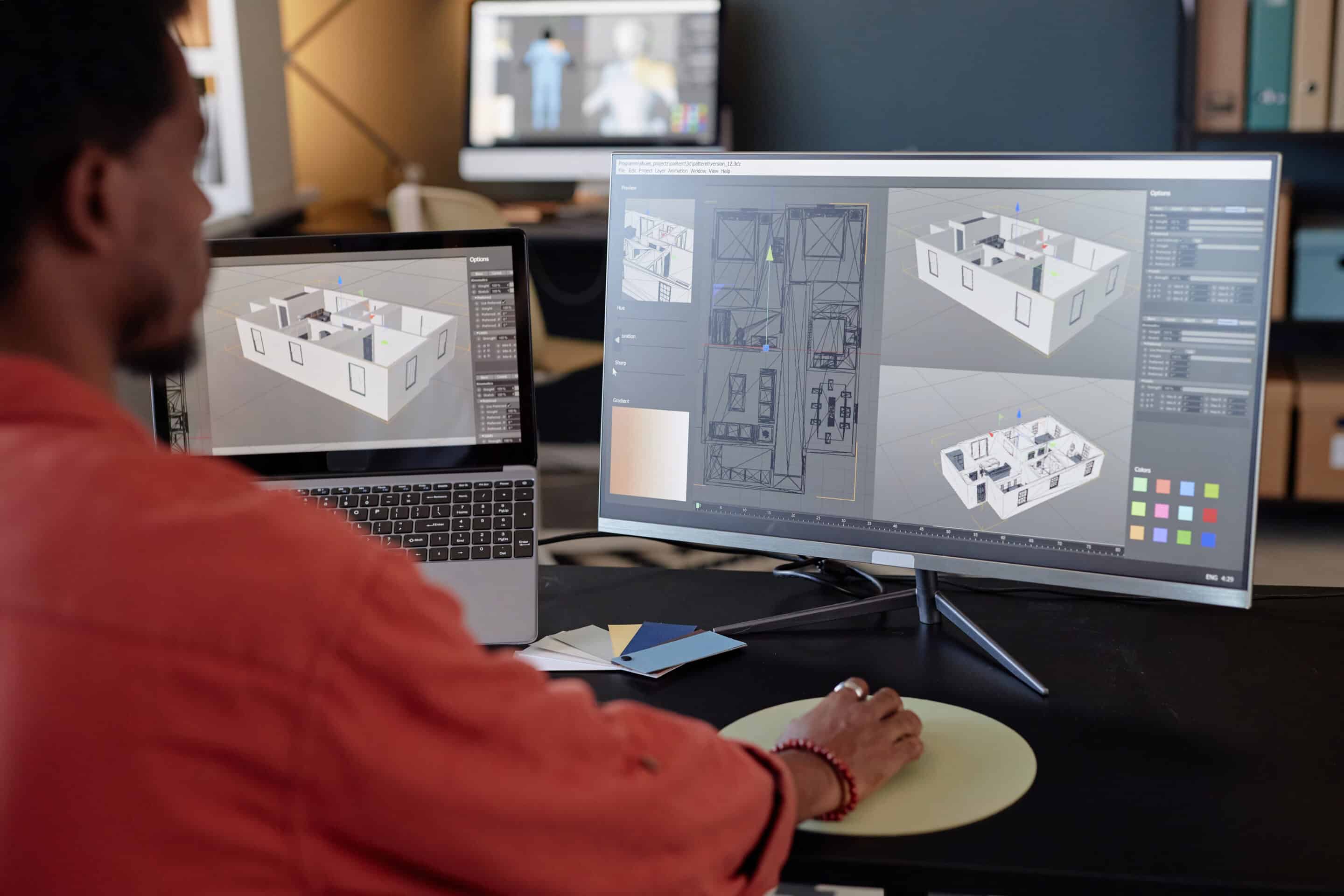
The BIM digital twin is one of the most striking evolutions of digital transformation in the construction sector. Where BIM provides a static digital model, the digital twin goes further: it combines the 3D model from BIM with dynamic, real-time data from sensors and IoT.
This concept allows building and infrastructure stakeholders to have a living virtual replica of the structure, capable of reflecting its actual state at every moment. The result: better decision-making, predictive maintenance, and optimized asset management throughout the entire lifecycle.
What is a digital twin applied to BIM?
A BIM digital twin is an extension of the BIM model that is no longer limited to design and construction, but accompanies the building or infrastructure throughout its entire lifespan. It combines:
- the BIM model, which describes the geometry and properties of objects,
- real-time data, provided by sensors, building management systems and external databases.
This bringing together of BIM and digital twin turns the model into an operational tool, usable by designers as well as by operators and asset managers.
Definition of the digital twin
A digital twin is a virtual replica of a physical asset, connected to it by a flow of data. In the context of BIM, it is therefore a model enriched with dynamic data that makes it possible to monitor, simulate and optimize the behavior of the building during operations.
Difference between BIM and the digital twin
- BIM: it provides a structured, static base of the building (geometry, materials, properties).
- The digital twin: it adds a dynamic, real-time dimension, connecting the model to sensors and systems to reflect the current state of the structure.
How does a BIM digital twin work?
The BIM digital twin works thanks to the connection between the digital model and real data flows. This linkage turns a static model into a dynamic system, capable of reflecting and anticipating the state of a building or infrastructure.
From the BIM model to the living model
The BIM model is the foundation of the digital twin. It contains all the geometric and descriptive data of the project. To become a “living twin”, this model is connected to:
- physical sensors installed in the building (temperature, energy consumption, air quality, vibrations, etc.),
- building management systems (BMS, CMMS, IoT platforms),
- external databases (climate, weather, regulations, inventories).
These connections enable constant synchronization between the physical world and the virtual world.
The role of sensors and IoT in updating data
IoT (Internet of Things) plays a central role: it provides the data that feeds the digital twin. For example:
- a water consumption sensor updates the model in real time to flag a leak,
- temperature sensors adjust energy simulations,
- an occupancy tracking system makes it possible to analyze the use of spaces.
This data makes it possible to move from descriptive to predictive: the digital twin not only shows the current state, it also anticipates needs and risks.
Interoperability and management platforms
To be fully effective, the digital twin must be interoperable with various software and platforms. This involves the use of open standards (such as IFC for the BIM model, BCF for annotation exchanges) to ease collaboration between stakeholders.
Digital twin management platforms centralize these flows, ensure real-time 3D visualization and allow decision-makers to access reliable information to optimize their actions.
What are the benefits of the BIM digital twin?
The BIM digital twin is far more than a simple evolution of BIM: it is a true performance lever for the design, construction and operation of a structure. By combining the digital model and dynamic data, it opens the way to intelligent, predictive asset management.
Optimization of design and construction
The digital twin makes it possible to test and simulate different scenarios even before construction. Thanks to historical data and real-time simulations, it is possible to:
- anticipate costs and schedules,
- evaluate the energy performance of materials and systems,
- detect inconsistencies or technical conflicts upstream.
During construction, real-time monitoring of site data (sensors, drones, 3D surveys) feeds the digital twin. This makes it possible to continuously compare the planned project and the built structure, reducing gaps and delays.
Predictive maintenance and equipment management
Once the building is delivered, the digital twin becomes a central tool for facility management.
- Connected sensors send back information in real time (energy consumption, equipment status, anomalies).
- This data makes it possible to predict maintenance operations before a breakdown occurs: this is predictive maintenance.
- The manager can also track the service life of equipment, plan replacements and optimize operating costs.
In other words, the digital twin extends the value of BIM beyond construction and accompanies the building throughout its entire lifespan.
Improvement of energy performance and operations
The BIM digital twin is also an energy optimization tool. By analyzing energy consumption, air quality or the occupancy rate of spaces in real time, it makes it possible to:
- automatically adjust HVAC systems (heating, ventilation, air conditioning),
- identify energy-intensive zones and bring solutions to them,
- reduce operating costs and carbon footprint.
In addition, predictive simulation helps project owners prepare renovations or extensions, by measuring their impact before any intervention.
What are the limits and challenges of the BIM digital twin?
While the BIM digital twin carries major opportunities, its rollout remains complex. It requires significant resources, solid governance and a digital maturity that not all industry stakeholders have yet reached.
Technical complexity and interoperability
The creation of a digital twin involves integrating data from very diverse sources: BIM models, IoT sensors, building management systems (BMS), business applications. This diversity poses an interoperability problem:
- not all formats are compatible,
- some proprietary software limits exchanges,
- the management of updates between systems can generate inconsistencies.
The main challenge is therefore to guarantee a continuous, reliable information flow, which requires the use of open standards (IFC, BCF, COBie, etc.).
Security and data management
The digital twin relies on a massive amount of real-time data, sometimes sensitive (consumption, security, space access). This information must be protected against:
- the risks of hacking,
- data losses or corruption,
- human errors in entry or management.
The implementation of cybersecurity policies, backups and access control becomes essential to secure the use of the digital twin.
Cost and market maturity
Setting up a BIM digital twin represents a high investment: sensor installation, software platform deployment, team training. These costs can be a brake, particularly for medium-sized projects.
In addition, the digital twin market is still in a phase of progressive maturity. Not all stakeholders have the necessary skills, and standards continue to evolve. This calls for a progressive approach, often limited to pilot projects or large infrastructure.
Tools and solutions for creating a BIM digital twin
Setting up a BIM digital twin relies on a combination of BIM software, collaborative platforms and IoT systems. The objective is to connect the digital model to the real data of the structure to obtain a living, usable model.
Dedicated software platforms
Some platforms are specifically designed to manage digital twins. They make it possible to:
- centralize data from sensors and building management systems,
- synchronize information with the BIM model,
- visualize the state of the structure in 3D and real time,
- generate alerts in the event of anomaly or threshold breach.
These platforms play the role of a digital hub, linking the physical world and the virtual model. They are particularly used in large infrastructure projects and complex buildings.
Integration with existing BIM software
Traditional BIM software (architecture, engineering, construction) now offers IoT extensions or connectors to evolve toward the digital twin. This makes it possible to:
- enrich the existing model with dynamic data,
- ease coordination between design and operations teams,
- extend the value of BIM after delivery.
These integrations guarantee a digital continuity between design, construction and operations, which is at the heart of the BIM philosophy.
BIM digital twin FAQ
What is the difference between BIM and the digital twin?
BIM provides a static digital model describing the geometry and properties of a building. The digital twin adds a dynamic dimension: it integrates real-time data from sensors and IoT systems.
Is the digital twin mandatory in a BIM project?
No, it is not mandatory. BIM can be used without a digital twin. However, more and more project owners and operators favor it to improve predictive maintenance, energy performance and the sustainability of structures.
Which sectors use digital twins the most?
The BIM digital twin is particularly used in:
- commercial buildings (offices, shopping centers, hospitals),
- infrastructure (bridges, roads, networks),
- industry (factories, complex equipment).
These sectors find a strong return on investment, particularly thanks to operating cost optimization and maintenance security.
Want to see Kroqi in action?
Leave us your details: a member of the team will get back to you for a demo or to answer your questions.